
Rising hope for Asia’s vultures?
Saving Asia’s Vultures from Extinction from The RSPB on Vimeo. Vultures may not get a lot of love, or respect for that matter, from the public, but they play a vital role in cleaning up and recycling nature’s waste, which also helps prevent diseases from spreading. Vultures were once abundant throughout Asia, but that was until veterinary drug diclofenac became common. Used on cattle and livestock, researchers discovered...
Global tropical forest carbon map
Forest carbon stock from Saatchi et al. 2011. Click image to enlarge New global carbon map for 2.5 billion ha of forests (05/31/2011) Tropical forests across Latin America, Africa, and Southeast Asia stored 247 gigatons of carbon — more than 30 years’ worth of current emissions from fossil fuels use — in the early 2000s, according to a comprehensive assessment of the world’s carbon stocks. The research, published in the...

Girl Scouts fighting palm oil receive wider media coverage (video)
After five years of campaigning, two Girl Scouts fighting palm oil in Girl Scout cookies are receiving wider media coverage this week after meeting with heads of Girl Scouts of the US. The organization has now agreed to research different options, such as sustainably-grown palm oil or using another ingredient, reports the Wall Street Journal. Above, the Girl Scout activists are interviewed on the CBS Early Show. For more information:...
Activism: vote for an Ocean Hero!
Green anemone at the Monterey Bay Aquarium. Photo by: Rhett A. Butler. Ocean conservation organization, Oceana, is asking for votes for its 3rd Annual Ocean Heroes Contest. According to their webstie: “On World Oceans Day, Oceana honors those who have made a significant, ongoing contribution to ocean conservation. This year, hundreds were nominated, and a panel of experts selected the following finalists. Vote now for your...
Happy world turtle day! (photos)
Baby marine turtle taking its first step out to sea in Costa Rica. Photo by: Rhett A. Butler. Yes, there is a World Turtle Day created by the American Tortoise Rescue! And today (May 23rd) is that day! Ancient leopard tortoise in Uganda. Photo by: Rhett A. Butler. Sumatran freshwater turtle. Photo by: Rhett A. Butler. Sumatran freshwater turtle. Photo by: Jeremy Hance. Radiated tortoise in Madagascar. Photo by: Rhett A....

T-rex leech discovered in a person’s nose just one of the top ten new species of 2010 (photos)
The International Institute for Species Exploration at Arizona State University has selected its top ten new species from 2010. While all the species are extraordinary, one was discovered in a most baffling, manner: taken from the nasal mucous membrane of a person in a Peruvian clinic. This 2-inch leech is named Tyrannobdella rex, which means ‘tyrant leech king’, because of a resemblance to the extinct T-Rex: both share a...
Cincinnati zoo turns on the solar (video)
With 6,400 solar cells producing 1.56 megawatts, the Cincinnati Zoo says its new solar parking lot the largest publicly accessible urban solar array in the US. The zoo says that on average the solar array with cover 1/5 of its total energy use and on some days will actually send clean energy back to the grid. “Innovative projects like this solar canopy showcase the benefits of public and private investment working together to provide...
Will food dominate 21 century geopolitics? (radio)
One billion people in the world are going hungry–more than any other time in history. Yet food security remains a pretty low concern in most industrialized countries. That may not last long according to renowned environmentalist, Lestor Brown, who says that climate change, population growth, rising consumption of meat and dairy, and water issues could soon make food a flashpoint worldwide. Already, high food prices this year...
Pictures: Primary forests included, secondary forests excluded in Indonesia’s moratorium
This week Indonesia officially signed a moratorium on the granting of new logging and plantation permits in primary forests and peatlands. Secondary forests are excluded from the measure.
Making shrimp farming sustainable (video)
An in-depth look at one figure in the shrimp farming industry, Linda Thorton, who is helping with efforts to create standards for environmentally sustainable shrimp production. Shrimp farming has been a target of environmentalists for links to mangrove destruction and pollution, among other impacts.
Carl Safina on the gulf spill (video)
Last month on the one year anniversary of the oil spill in the Gulf of Mexico (dubbed the US’s worst environmental disaster), author Carl Safina spoke about the impacts of the spill and the even bigger disaster that the media has overlooked. Safina has recently come out with a book called: A Sea in Flames: The Deepwater Horizon Oil Blowout. For a recent interview with Carl Safina: The ocean crisis: hope in troubled waters, an...
Bird-dinosaur, only recently dead, discovered in Iran (or big hoax)
An photo of the reported recently-deceased bird-dinosaur. Real or faked? Photo from the Islamic Republic News Agency. A corpse reportedly showing a bird with a skull like a canine’s has shown up in northwestern Iran, reports the Islamic Republic News Agency. The animal has two bird-like legs, but a head that looks like a mammalian or reptilian predator, giving the media the ability to dub it a dinosaur bird. A team of...
Economic worth of living sharks (video)
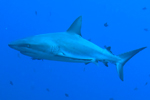
It turns out that sharks are worth more alive than dead. According to a new study, a single shark is worth $1.9 million over its lifetime as a tourist attraction in the island nation of Palau. Sold for consumption the shark is worth around $108. In this case a shark is worth a stunning 17,000 times more alive than dead. Sharks worldwide are being decimated, largely for the Asian delicacy shark fin soup. Some populations have fallen by...
Greenwashing scandal hits Conservation International
Questions are being raised about Conservation International (CI), one of the world’s largest conservation groups, after it was the target of a “sting” video by Don’t Panic magazine. Reporters from Don’t Panic posed as representatives from Lockheed Martin, an arms manufacture, and secretly recorded conversations with CI development representative. They asked whether CI could help Lockheed Martin build a...
Activism: save the cerrado, starting at your supermarket
Note: mongabay.com does not endorse the action below, but believes its readers may be interested in taking action or discussing the issue in comments. Save the Cerrado from WWF-UK on Vimeo. South America’s great savanna the cerrado is under siege by agriculture and cattle ranching. Half of the ecosystem has vanished in the last 50 years. Now the first ‘green’ soy is being released by the International Round Table on...
Pictures of baby animals with their mothers for Mother’s Day
Mother tarsier and baby on the island of Sulawesi in Indonesia. Photo by: Rhett A. Butler. Mother and baby orangutan in tree in Sumatra. Photo by: Rhett A. Butler. Mother Panamanian golden frog with green baby. Photo by: Rhett A. Butler. Southern Tree Hyrax with baby in Kenya. Photo by: Rhett A. Butler. Baby crowned lemur clinging to its mother in Madagascar. Photo by: Rhett A. Butler. Mother Agouti (Dasyprocta punctata) with babies...
Brazil’s largest miner to fund destructive Amazon dam
Vale, a Brazilian mining company that frequently touts its environmental stewardship, will invest $1.4 billion in the controversial Belo Monte dam. The project will flood nearly 200 square miles (500 square kilometers) of rainforest and impact up to 50,000 indigenous people.
Pictures: Happy Cinco de Mayo
To Celebrate Mexico’s Independence Day (Cinco de Mayo), here are some photos of beach sunrises in and around...
Photos: ugly is the new adorable when it comes to saiga babies
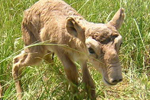
A pair of saiga calves. Photo by: Igor Shpilenok. Few species have seen a worse decline in the past 15 years than the Asian antelope, the saiga. Once known for making up one of the world’s largest migrations, the saiga population has dropped from 1.25 million in the 1990s to 50,000 animals today, plunging over 90% and landing itself on the Critically Endangered species list. The Saiga Conservation Alliance (SCA), which is...
 news from mongabay.com
- An error has occurred, which probably means the feed is down. Try again later.